“डेंगी सहित अन्य रोगियों के लिए सरकारी व निजी अस्पतालों में 2095 बेड आरक्षित रहेंगे “
अभी तक उत्तराखंड में डेंगी का एक भी केस सामने नहीं आयाः स्वास्थ्य मंत्री

देहरादून। न्यूज लाइव ब्यूरो
मानसून सीजन में डेंगी (Dengue) व अन्य वेक्टर जनित रोगों की आशंका पर प्रदेशभर में बचाव एवं नियंत्रण के लिए जनजागरूकता के साथ ही सर्च अभियान में तेजी लाई जाएगी। जिलाधिकारी संबंधित विभागों के साथ बैठक कर माइक्रो प्लान बनाकर योजनाबद्ध तरीके से लागू कराएंगे। राज्य सरकार ने सभी सरकारी एवं निजी अस्पतालों में दस फीसदी बेड डेंगी, मलेरिया व चिकनगुनिया से पीड़ित मरीजों के लिए आरक्षित रखने के निर्देश विभागीय अधिकारियों को दिए हैं।
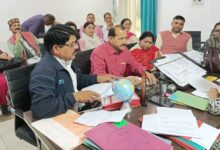
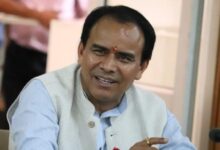
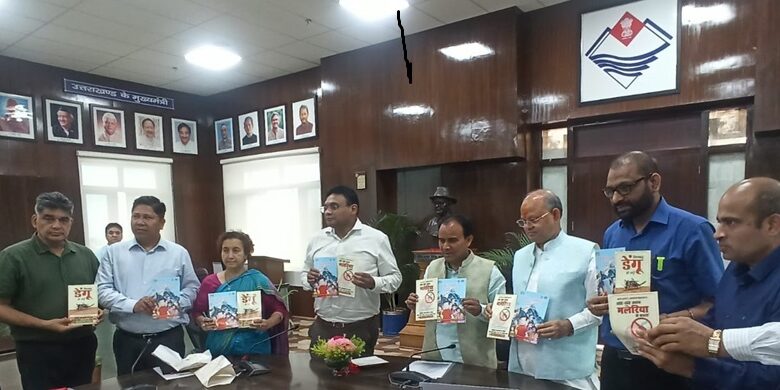
राज्य के चिकित्सा स्वास्थ्य एवं चिकित्सा शिक्षा मंत्री डॉ. धन सिंह रावत ने सोमवार को सचिवालय स्थित वीर चन्द्र सिंह गढ़वाल सभागार में डेंगी से बचाव व नियंत्रण को लेकर अधिकारियों की समीक्षा बैठक ली।
यह भी पढ़ें- एम्स ऋषिकेश ने बताया, सेवन प्लस वन प्रोग्राम करेगा डेंगी के मच्छरों को कंट्रोल
विभागों में तालमेल पर जोर
बैठक में शासन के डॉ. रावत ने अधिकारियों को निर्देश दिए कि मानसून सीजन में डेंगी, मलेरिया व चिकनगुनिया सहित वेक्टर जनित रोगों के संक्रमण की आशंका अधिक रहती है। स्वास्थ्य विभाग को अन्य नोडल विभागों शिक्षा, शहरी विकास, ग्राम्य विकास, सूचना एवं लोक सम्पर्क आदि के साथ समन्वय कर वेक्टर जनित रोगों की रोकथाम के लिए अभियान तेज करने की जरूरत है।
यह भी पढ़ें- एम्स की सलाहः डेंगी से निपटने के लिए ये जरूरी काम कर लें
प्लेटलेट्स तथा प्लाज्मा के रेट निर्धारित करें
उन्होंने सभी जनपदों के मुख्य चिकित्साधिकारियों को अपने क्षेत्रों की ब्लड बैंक को अलर्ट रखने और प्लेटलेट्स तथा प्लाज्मा के रेट निर्धारित कर लगातार मॉनिटिंग करने को कहा, ताकि किसी भी मरीज को आवश्यकता पड़ने पर ब्लड, प्लाजमा व प्लेटलेट्स आसानी से उपलब्ध हो सके।
डॉ. रावत ने जिलाधिकारियों को सभी संबंधित विभागों की बैठक कर जागरूकता एवं सर्च अभियान में तेजी लाने के निर्देश दिए। खासकर देहरादून, हरिद्वार, ऊधमसिंह नगर, नैनीताल, पौड़ी व टिहरी जिलों के अधिकारियों को विशेष सर्तकता बरतने के निर्देश दिए। बैठक में प्रभारी अधिकारी एनएचएम डॉ. पंकज सिंह ने डेंगी नियंत्रण व रोकथाम को लेकर पावर प्वाइंट प्रस्तुतिकरण दिया। उन्होंने बताया कि राज्य में अभी तक डेंगी का कोई भी केस सामने नहीं आया है जो कि आम लोगों के साथ ही विभाग के लिए सुखद खबर है।
छह लाख घरों में सर्च अभियान, तीन लाख लार्वा नष्ट किए
स्वास्थ्य मंत्री डॉ. धन सिंह रावत ने बताया कि इस वर्ष डेंगी व अन्य वेक्टर जनित रोगों के रोकथाम के लिए विभाग ने युद्ध स्तर पर अभियान चलाया है। अब तक प्रदेश में डेंगी का एक भी केस सामने नहीं आया है। राज्य सरकार ने डेंगी की रोकथाम के लिए आशा एंव अन्य हेल्थवर्कर के साथ ही 220 डेंगी वॉलियंटियर्स तैनात किए हैं। जिसमें देहरादून जनपद में 140, हरिद्वार 40, नैनीताल 20, ऊधमसिंह नगर व पौड़ी जनपद में 10-10 डेंगी वॉलियंटियर्स शामिल हैं।
सरकारी व निजी अस्पतालों में 2095 बेड आरक्षित
स्वास्थ्य मंत्री डॉ. धन सिंह रावत ने बताया कि डेंगी, चिकनगुनिया व मलेरिया के मरीजों के लिए प्रदेशभर के सरकारी एवं निजी अस्पतालों में मच्छरदानी युक्त 2095 बेड आरक्षित किए जा चुके हैं। जबकि सभी राजकीय चिकित्सालयों में डेंगी की जांच निःशुल्क उपलब्ध है।
डेंगी व अन्य वेक्टर जनित रोगों के प्रति जनजागरूकता के लिए राष्ट्रीय स्वास्थ्य मिशन (एनएचएम) बच्चों के लिए लिटिल चाणक्य कॉमिक्स तथा स्वास्थ्य विभाग एवं अन्य विभागों के कार्यों एवं जिम्मेदारियों पर आधारित अन्तर्विभागीय सामन्वयिक पत्रिका प्रकाशित की गई है, जिसका विभागीय मंत्री द्वारा विधिवत विमोचन किया गया है।
बैठक में राष्ट्रीय ग्रामीण स्वास्थ्य एवं अनुश्रवण परिषद उत्तराखंड के उपाध्यक्ष सुरेश भट्ट, सचिव स्वास्थ्य डॉ. राजेश कुमार, अपर सचिव आनंद श्रीवास्तव, महानिदेशक स्वास्थ्य डॉ. तारा आर्य, निदेशक चिकित्सा शिक्षा डॉ. आशुतोष सयाना, निदेशक स्वास्थ्य डॉ. सुनीता टम्टा, प्राचार्य अल्मोड़ा मेडिकल कॉलेज डॉ. सी.पी. भैसोड़ा, सीएमओ देहरादून डॉ. संजय जैन, डॉ. आर.के.सिंह सहित अन्य विभागीय अधिकारी उपस्थित रहे, जबकि सभी जनपदों के जिलाधिकारी एवं मुख्य चिकित्साधिकारी बैठक में वर्चुअल माध्यम से शामिल हुए।